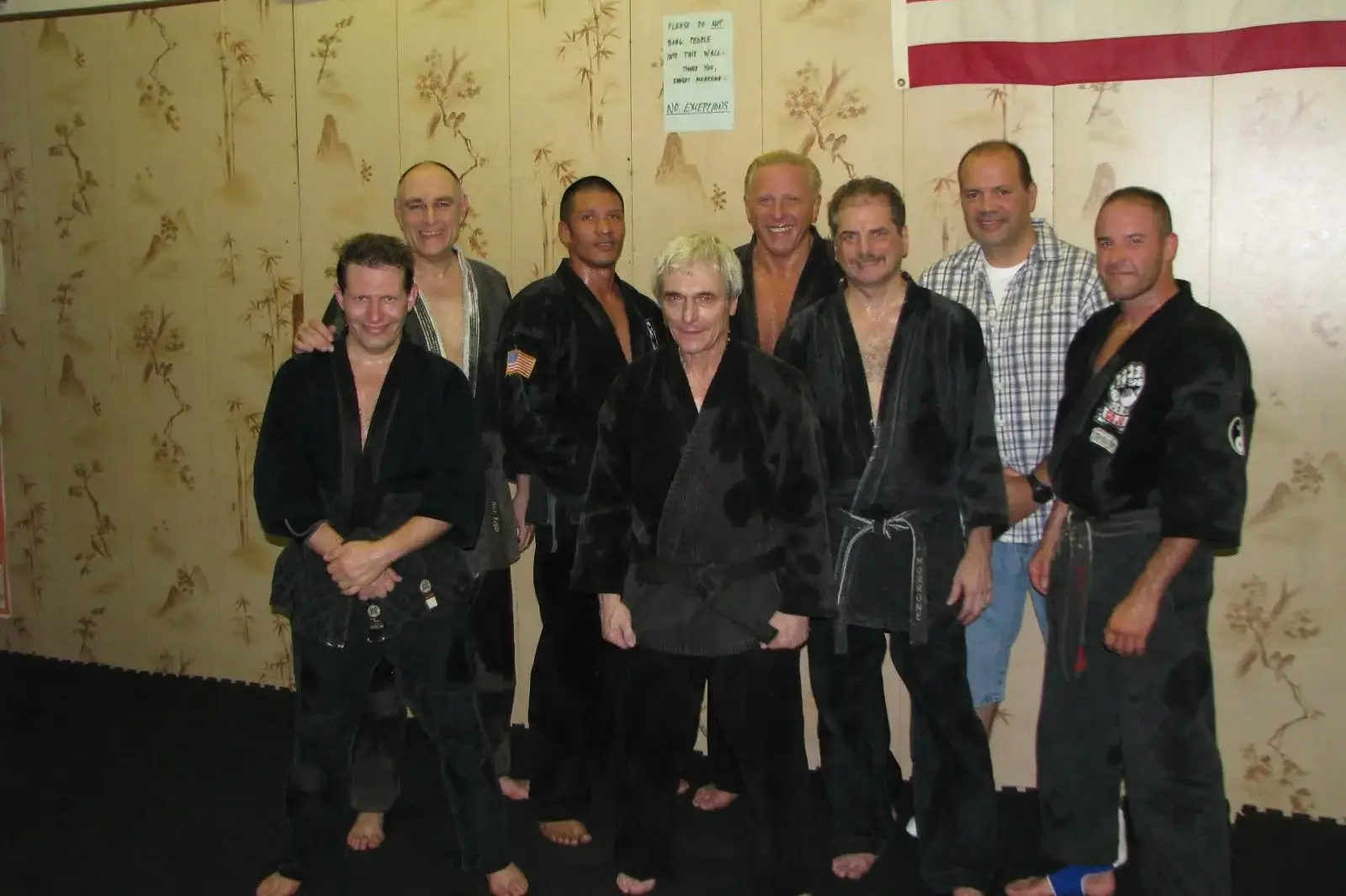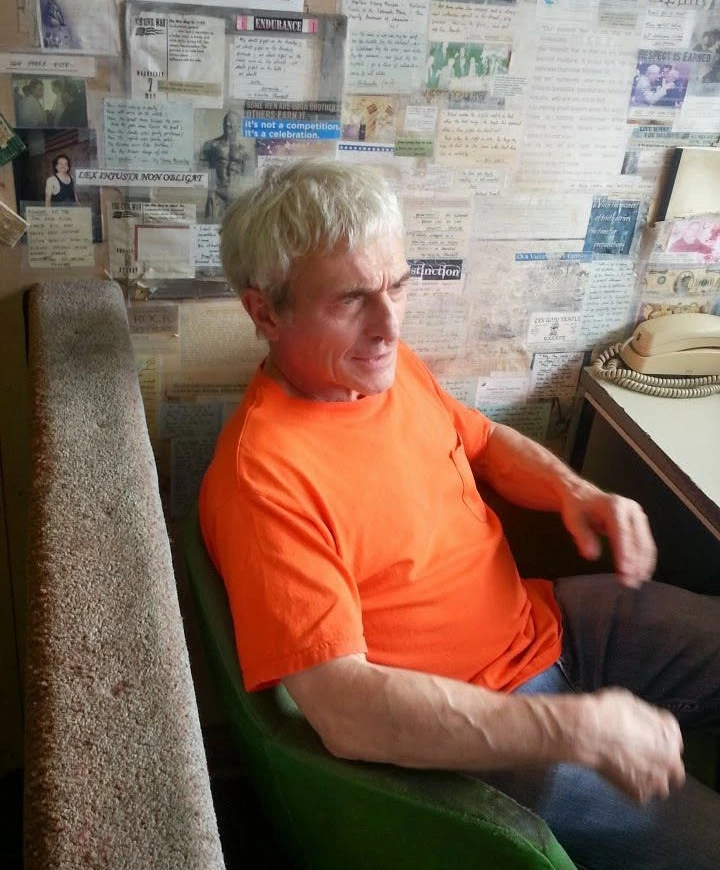
Our Peter Urban Lineage
A direct line.
The sign above the door says Urban Goju Hall #004. That number is most of the story.
Grandmaster Peter G. Urban
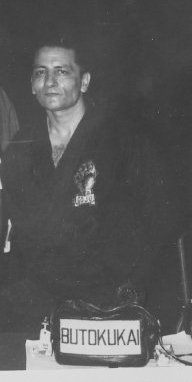
Peter G. Urban (1934–2004) learned Goju in Japan in the 1950s, returned to America at the end of that decade, and established U.S.A. Goju as his own organization in 1968.
Controversially, Urban Sensei created an American style of Gōjū-ryū without the permission of Yamaguchi Sensei; who did not allow Urban Sensei to represent The Goju-Kai in America as his head representative.
U.S.A. Goju Association · The History of Peter G. Urban
In The Karate Dojo, published in 1967, Urban wrote that the emblem was modeled on the right fist of Chojun Miyagi, the Okinawan master who founded the style after years of study in China. The drawing is one particular man's hand.
He was born in Jersey City in 1934 and raised in Union City, New Jersey. He joined the Navy out of high school and was posted to Yokohama, where in 1953 he began training under Richard Kim and became his house student. Kim introduced him in Tokyo to Mas Oyama and to Gogen Yamaguchi, who accepted him as a student in 1954. He trained the 212th Military Police Corps in Tokyo in 1956, fought in the first All Japan Collegiate Championship in 1957, and left Japan in 1959 as a fifth degree black belt granted by Yamaguchi.
He opened his first Goju dojo that same year, on 13th Street and Summit Avenue in Union City, and taught at the Hoboken YMCA. Through the 1960s he taught across Manhattan and Brooklyn, the best known of those rooms being the Chinatown dojo at 213 Canal Street. In 1962 he ran the first North American Karate Championships at Madison Square Garden, and he is credited with putting the point system on American karate competition.
He returned to Japan in 1963 to ask Yamaguchi's consent for an official Goju club in America. Yamaguchi refused, and the two men never repaired it.
The feudal system still exists in Japan, they have lost the true spirit, their system builds blind followers and I believe karate should build seekers not followers.
Grandmaster Urban on the 1964 break, quoted in the system's own history
The Goju fist, as everyone calls it, is the system's emblem. It is on the awning at 2533 65th St and on the patches. Mostly it is in our hearts.
Urban carried that fist into his own system and put U.S.A. on the banner under it. That is the version here, printed on every sheet on the wall upstairs and painted by hand on a sheet of plywood in the basement. Nobody put either one there to be looked at. It is what the students face while they train.
A great deal has been written about him elsewhere and we are not going to repeat it here. The system's own history of him is the fullest account, and Wikipedia has the short version.
There is no intrinsically superior martial art, martial style, or even a truly superior practitioner. We are all students for life.
Peter Urban, The Karate Dojo, 1967
He wrote that a year before he founded U.S.A. Goju, and he meant it as a warning: the hazard of the art is the teacher who accepts followers instead of students.
He held that line for forty years. Asked near the end of his life who would take his place, he gave a name, Mr. Nemo, and then pointed out that nemo is Latin for nobody. He had raised every one of them to be his own man, he wrote, and each man's dojo and each man's students belonged to him and to no one else.
Hall #004 is one of those dojos. Which is why this page names the line and stops.
In the same newsletter he set out who would preside where. For Brooklyn he named Shihan Vincent Merenda, who was already teaching at 2533 65th St and would lead this dojo until his death in 2025. Urban also ordered that every hall keep its original number for good, comparing it to a license plate, and retired his own Hall #001 in perpetuity. The #004 on the sign dates from that order.
Grandmaster Urban, Urban Speaks, July 1, 2003, published by the U.S.A. Goju Hombu.
A line of warriors carrying the tradition
- 1950s
Grandmaster Peter Urban
Student of Yamaguchi, Kim and OyamaPeter G. Urban learned Goju in Japan in the 1950s and returned to America at the end of that decade.
He established U.S.A. Goju in 1968 and numbered the halls authorized to teach it. A single-digit number means this one was among the first.
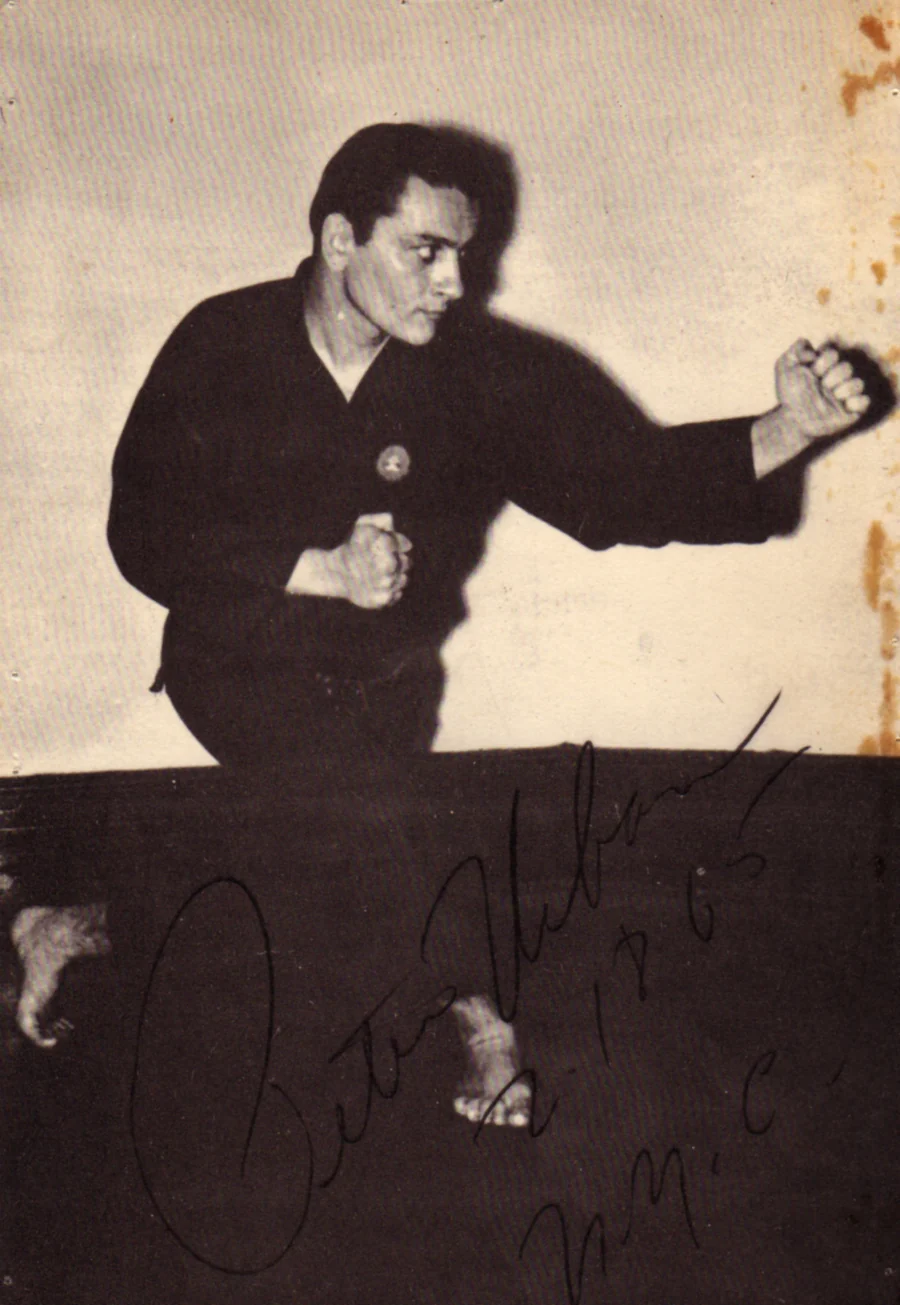
Peter G. Urban, 1934-2004 Shihan Vincent Merenda
Student of Peter G. UrbanShihan Vincent Merenda trained under Grandmaster Peter G. Urban and many of his black belts.
He was one of the dojo's very first students when it opened in 1972, and rose through the ranks to Shihan.
He trained in kumite before the invention of safety gear, and the workouts were brutal.
He led this dojo for decades and died on January 2, 2025, on his way home from the dojo.
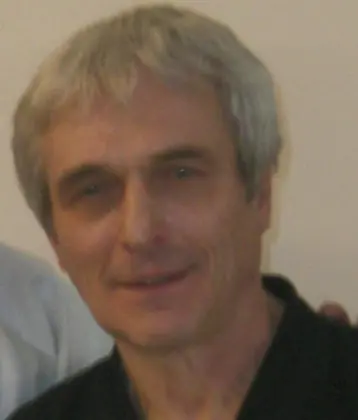
Shihan Vincent Merenda - 1972
Zen Goju Temple, Urban Goju Hall #004
The hall opens on 65th StreetA single-digit hall number means this one was among the first Grandmaster Urban authorized.
The system's headquarters keeps its own record of the halls.
The dojo opened on October 9, 1972.
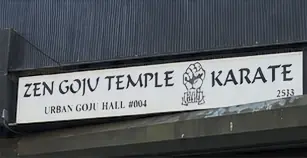
The sign at 2533 65th St Sensei Antonio Gonzalez
Died 2023.
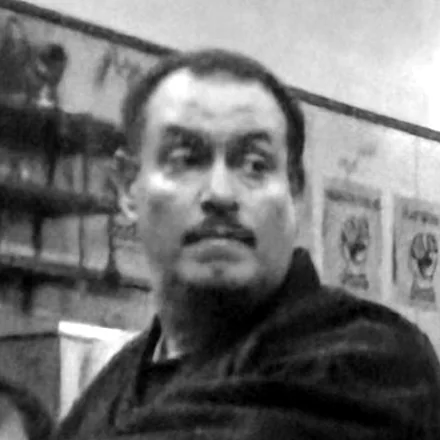
Sensei Antonio Gonzalez Sensei Vito Agate
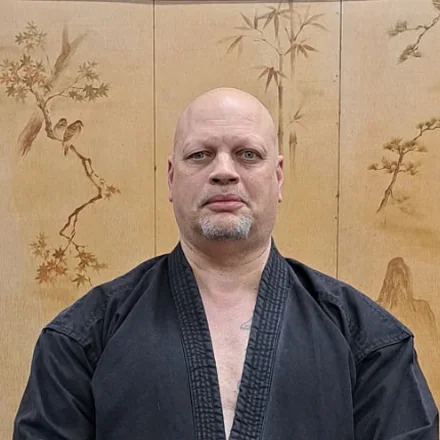
Sensei Vito Agate Sensei Joseph Foy
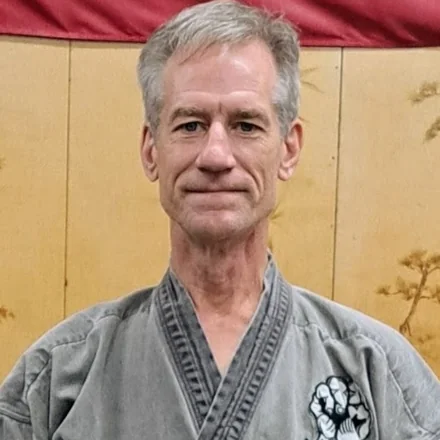
Sensei Joseph Foy - Today
Sensei Vladimir Ferdman
Student of Shihan Vincent MerendaSensei Vladimir Ferdman leads the dojo now, teaching what he learned from Shihan Vincent Merenda.
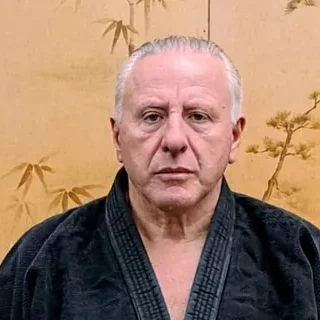
Sensei Vladimir Ferdman
Same line. New generations.
Every bow in the dojo, each kata we perform, and every correction we receive from our sensei are quiet tributes to the masters who came before us. Karate is not merely a martial art for self-defense. It is a philosophy, a way of life built upon humility, discipline, and the passing of knowledge across generations.
In every class, even as our practice evolves from the original teachings, we continue to pay homage to the senseis who paved the way. Explicitly to Senseis Urban, Merenda, and Gonzalez, who are no longer with us, and implicitly to all those mentors whose dedication and wisdom helped us become who we are today.
The dojo's own words, The dojo's own Facebook post, facebook.com/ZenGojuTemple, July 2025.
Leaders of Zen Goju Temple, Past and Present
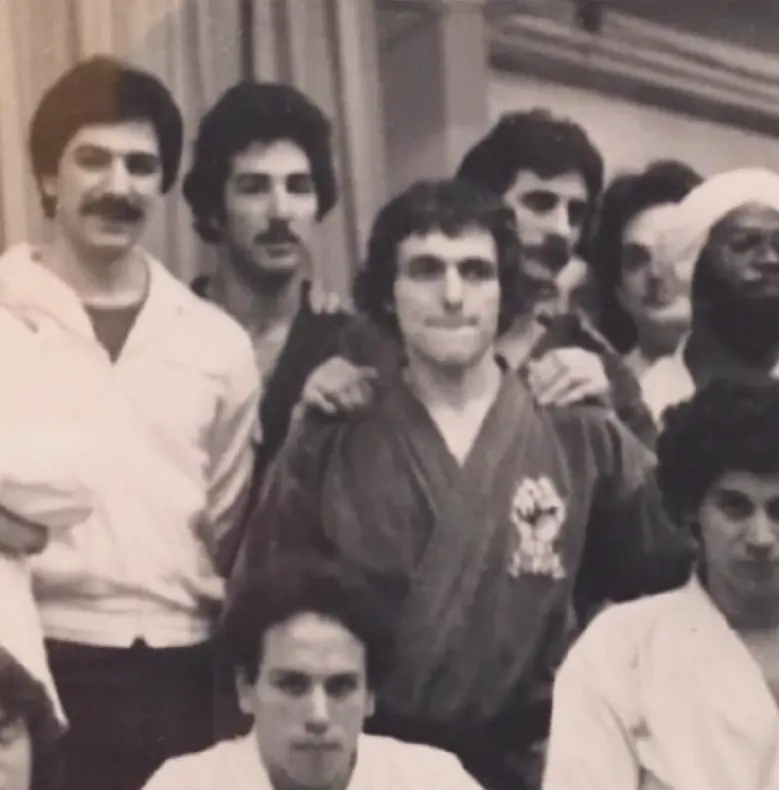
Shihan Vincent Merenda
Shihan Vincent Merenda, 10th Degree Black Belt. He led this dojo for decades and died on January 2, 2025, on his way home from the dojo.
Shihan Merenda trained under Grandmaster Peter G. Urban and many of his black belts.
He trained in kumite before the invention of safety gear.
The workouts were brutal and the dojo was always full of warriors.
Anyone who has ever earned a rank at the Zen Goju Temple is part of the family and is always welcome.
Once baptized, always baptized.
Shihan Vincent Merenda.
Today
Sensei Vladimir Ferdman leads the dojo now, teaching what he learned from Shihan Vincent Merenda.
None of this needs to mean anything to you yet. If you want to see what it amounts to in practice, the first class is free.